Trading Basics and Strategies for Consistent Success
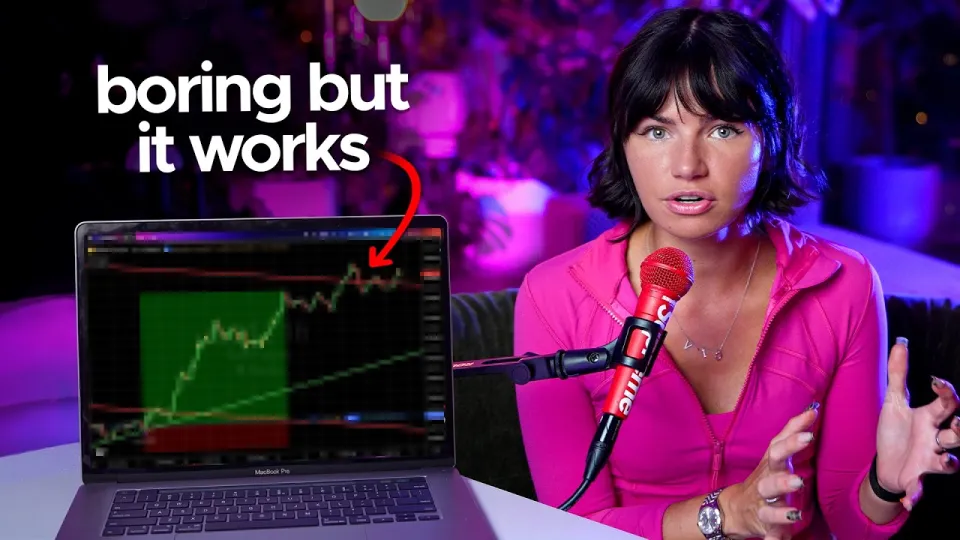
Video: Unfortunately, trading really is this simple
You can order the same kind of articles for your own video to boost it on YouTube and Google. Just message the Telegram bot @sat_sit_bot. Articles with your video embedded are written and posted by the bot itself — on popular topical sites (no ads). Your first 50 articles are free.
· based on the channel Tori Trades
Key takeaways
- Trading does not require advanced math or an economics degree
- Trendlines and simple entry-exit strategies are key in futures trading
- Managing risk with proper stop losses is essential
- TradingView is a useful platform to test strategies
- Consistent success comes from discipline and simplicity
Trading is often perceived as complex, but it really can be simple and accessible to anyone willing to learn. Effective trading does not require an economics degree, advanced math skills, or insider knowledge. Instead, success comes from a clear, step-by-step system and disciplined execution that anyone can develop and apply. For those interested in developing their skills, joining a waitlist for educational trading resources can provide structured guidance and support.
Understanding Trading and Its Simplicity
Trading involves buying and selling financial instruments such as futures, forex, or stocks to profit from price movements. The core principle is straightforward: identify a trend, enter a trade at a favorable point, manage risk, and exit at a profit or acceptable loss. Complexity arises only if one overcomplicates the process with unnecessary indicators or strategies.
A simple approach focuses on:
- Recognizing trends using tools like trendlines.
- Entering trades based on clear signals.
- Setting stop losses to limit risk.
- Exiting trades systematically.
This approach demystifies trading and encourages beginners to concentrate on mastering these fundamentals without overloading themselves.
Key Components of a Successful Trading System
A successful trading system combines clear rules with consistent application. The components include:
- Trendlines: Drawing accurate trendlines helps identify support and resistance zones where price tends to reverse or continue.
- Entry Signals: Trades are entered when price action confirms a bounce or breakout from trendlines.
- Stop Loss Placement: Proper stop losses are set just beyond the trendline or recent swing points to protect capital.
- Trade Management: Active monitoring allows traders to adjust stops or exit quickly if the market moves unpredictably.
For example, in futures trading, the volatility of instruments like Gold demands vigilance as price can shift rapidly, requiring quick decision-making to protect profits.
Practical Steps to Implement Trading Strategies
To build a trading system, follow these steps:
- Use a platform like TradingView to chart and test trades.
- Draw trendlines on your chosen instrument's chart to identify trends.
- Wait for price to approach and react to the trendline with confirmation (e.g., candlestick patterns).
- Enter the trade once confirmation is clear.
- Place a stop loss slightly below (for longs) or above (for shorts) the trendline or recent swing low/high.
- Monitor the trade actively, adjusting stops or exiting as needed.
This process is repeatable and can be adapted for day trading, swing trading, or futures markets.
Common Challenges and How to Overcome Them
Trading is simple in theory but can be challenging in practice. Some common issues include:
- Volatility spikes: Sudden price moves can trigger stops prematurely. Solution: Use appropriate position sizing and be prepared to manage trades actively.
- Setting stops too tight or too loose: Stops too tight cause early exits; too loose risk bigger losses. Solution: Place stops based on technical levels like trendlines and swing points.
- Emotional decision-making: Fear and greed can lead to impulsive trades. Solution: Follow your system strictly and keep a trading journal.
Learning to manage these challenges improves consistency.
Difference Between Futures Trading and Stock Trading
Futures trading often involves commodities or indices and can be more volatile with leverage, whereas stock trading deals with company shares and may be influenced differently by market algorithms.
In futures, price movements can be rapid and large, demanding quick reactions and risk management. Stock trading might face algorithmic resistance, making consistent gains challenging without a robust strategy.
Understanding these differences helps tailor your approach and expectations in each market.
Addressing Typical Trader Questions
Many traders ask where exactly to place stops relative to trendlines or how to react if a candle changes color near exit points. The best practice is to place stops just beyond the trendline or recent swing low/high to avoid false breakouts. If a candle unexpectedly reverses, consider exiting or re-evaluating the trade according to your rules.
Also, the question of when to take a new entry arises if price bounces back after an exit. The answer depends on whether the new price action confirms a fresh entry signal aligned with your strategy.
Useful Links
- Join the waitlist for trading education and bonuses: https://go.toritradez.com/waitlist-1009
- Track your trades effectively: https://www.tradezella.com/?via=victoria (use code TORI20 for discount)
- Broker used by the author: https://www.tradestation.com/promo/toritrades/
Conclusion
Trading can be straightforward when approached with a simple, disciplined system focused on trendlines, clear entries, and risk management. The key is to keep strategies simple, use reliable tools like TradingView, and learn from real market conditions. The channel "Tori Trades" offers practical insights and step-by-step guidance to help traders succeed. Consider joining the waitlist for additional resources and support on your trading journey.
Source: Unfortunately, trading really is this simple · Markdown version
Questions & answers
Do I need advanced math or an economics degree to start trading?
No, trading does not require advanced math or an economics degree. Success comes from learning simple, clear strategies and disciplined application.
How should I place stop losses when trading with trendlines?
Stops should be placed just beyond the trendline or recent swing low/high to protect against false breakouts while limiting risk.
What should I do if the market becomes very volatile during a trade?
In volatile markets, actively manage your trades by adjusting stops or exiting quickly to protect profits and limit losses.
How does futures trading differ from stock trading?
Futures trading often involves higher volatility and leverage, requiring quick reactions, while stock trading may be influenced more by algorithms and different market dynamics.